
We were sitting in the living room of a lake house I had turned into a vacation rental, talking about building one from the ground up.
I had invited Josh Hemingway and Marco to Smith Lake, Alabama, to look around and spend some time with an idea: we could build a house and make a television show about it. We drove around the lake looking at land, getting to know the area, and talking through what that might involve.
We stayed at White Oak, a house I had bought from Shannon Fondren, converted into a vacation rental, and later sold to a friend who let us use it. It was warm, comfortable, and carefully put together. The house itself helped explain what I had in mind. We could sit inside it and understand the kind of place we might make, and why someone might want to follow the process of making it.
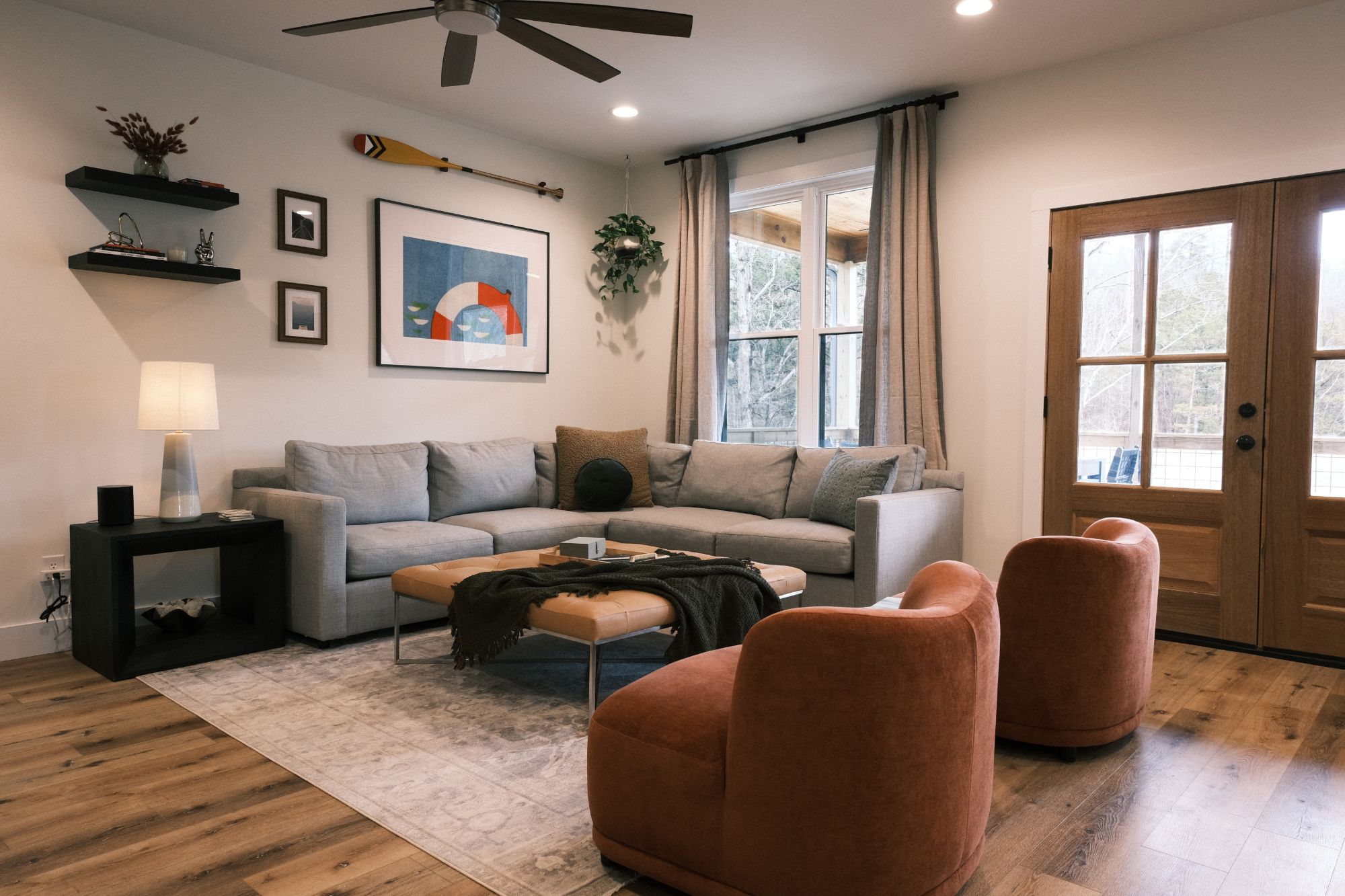
Somewhere in that living room conversation, we arrived at, “Let’s just do this.”
That was the beginning of Sweet Homes.
It sounded like a fairly big leap when you put it all in one sentence. In practice, the pieces were familiar. I was already building a spec home or two each year on Smith Lake with Shannon at Emerald Homes, a partnership that started with White Oak. At Spry, we were already making films and commercial work. We knew how to build a house. We knew how to produce something people could watch.
The new part was bringing those things together as an original series, with distribution in place before we recruited brands to participate. We would invest in the work ourselves and give partners a way to become part of both the house and the show, with useful material for their own marketing coming out of the same production.
There was a lot of logic to it. There were also some things that logic made easy to underestimate.
The idea had a history
Before we started Sweet Homes, we had spent years working with the National Mango Board. That work took us through Central and South America, filming the people, places, and cultures connected to growing mangos. The stories became Origin Stories, a collection of documentary-style films that primarily lived on YouTube.
After roughly four years, we had a substantial body of material. We had traveled a long way, spent time with people, and come home with stories that had room to reach more viewers. We proposed reshaping that work for television.
There was production involved in making that happen. We filmed additional host introductions and interview material, reorganized the stories, and edited them into episodes. The result was The Spirit of Mango, a television miniseries built from a relationship and a collection of work that already existed.
The Mango Board had trusted us with creative work for years. Bringing them another way to use it grew out of that relationship. We knew the material, understood what they wanted people to learn, and could see an opportunity to carry those stories further.
Getting the series onto television gave us the confidence to take another step. With Sweet Homes, we could develop the show from the beginning, thinking about the audience, distribution, and brand participation while we were still deciding what to make.
That sequence mattered. By the time we began talking to home-industry brands, we had secured distribution for the program. We could explain where the show was going and talk about whether they wanted to be part of it.
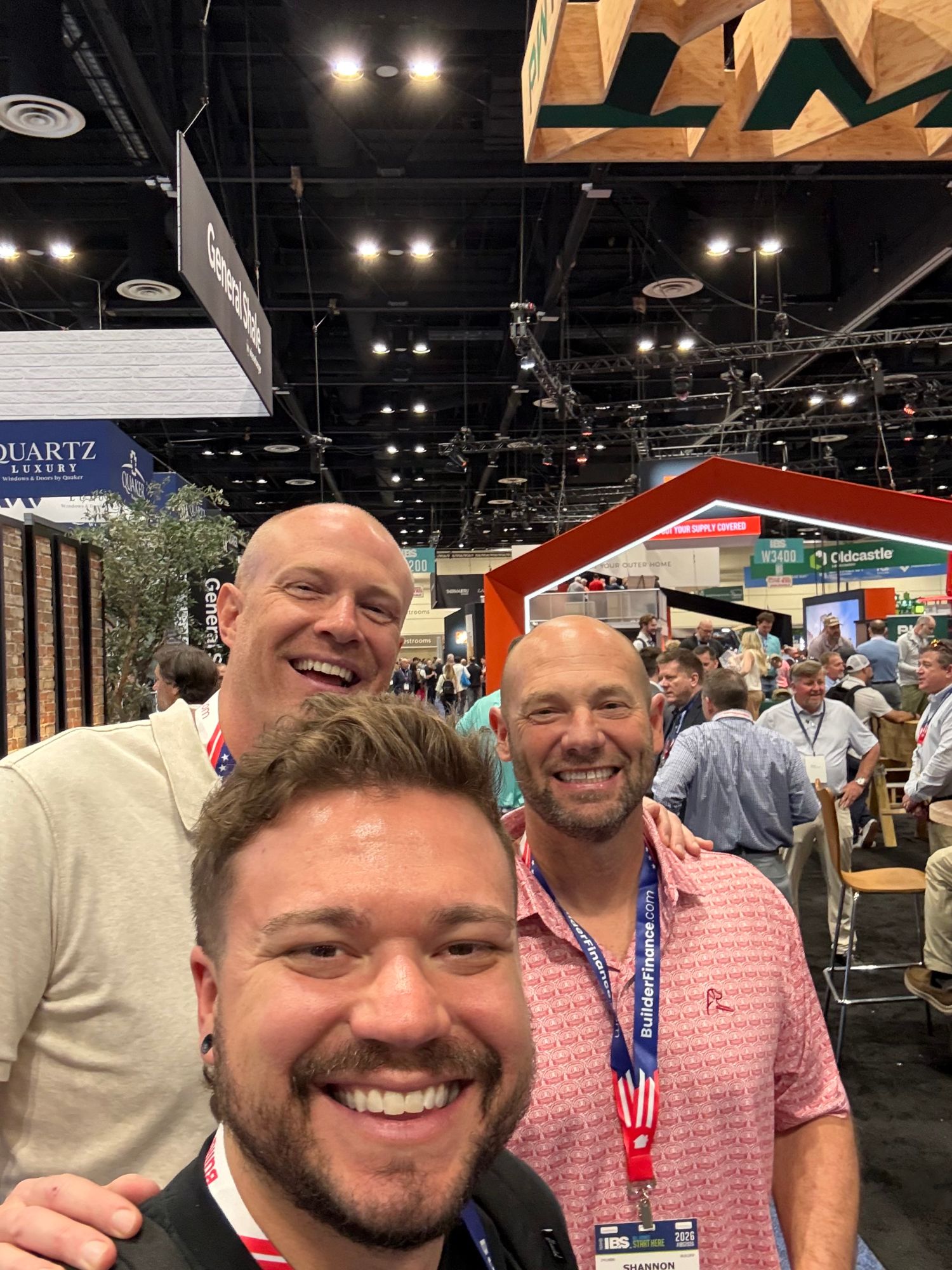
It made conversations at the Orlando home show easier to begin. A brand could consider a concrete project: a house we were going to build, a series we were going to produce, and a distribution commitment behind it. We still had to make a good show and earn an audience. But we had answered an important question before asking a partner to invest.
A house gives everyone something to work on
Twenty-two brands participated in Sweet Homes. Some contributed cash, some products, and some a combination of the two. The arrangements varied because their businesses and what they could bring to the project varied.
What they shared was a real place for their products to go. We were building a home, and the choices we made would become part of how that home looked, felt, and worked. That gave us something useful to explore with the people behind the products: what they made, why they made it that way, and what went into putting it in a house.
Those conversations added to the show. Each partner brought knowledge and a perspective we would not have had on our own. Collectively, they helped us make a more distinctive, more carefully considered home than we had first imagined.
Our agency background also meant we were thinking about what their marketing teams would need. Spry began in advertising and creative work. We understand the familiar assignment of making a film, a set of social videos, a photography library, or a campaign. We could see opportunities to do that work while we were already on location producing the series.
Depending on the agreement, a partnership could include footage packages, still photography, social cutdowns, and custom advertising creative. The products were there. The house was taking shape around them. We could plan what to capture with both the episode and the partner’s own channels in mind.
The project also included access to advertising inventory around the Destination America linear broadcast. That gave participating brands another way to communicate alongside the program, with advertising creative produced as part of the relevant partnership. Those arrangements were specific to the linear broadcast and each partner’s agreement.
I’ve written more about what brands can take away from a production like this. For me, the important part here is how early that thinking entered the project. We were developing entertainment and considering its practical use for partners together.
Television could help introduce their work to another audience. Their social channels, websites, and campaigns could continue telling their own part of the story. Each gave us a reason to pay attention to a different detail while we were filming.
The part I underestimated
I was comfortable with the uncertainty that comes with building a spec home. Financing decisions, budget changes, and problems that need solving are familiar territory when you have been through the process before.
Josh and Marco had not built spec homes. They were encountering those things for the first time, while also helping figure out how to turn the experience into a show.
I did not always account for that difference. Sometimes I would work through a construction problem without fully explaining what had happened or how I had resolved it. To me, it was part of the job. I may have assumed that because I understood the process, everyone else understood it too.
Being comfortable with a problem yourself does very little to help someone you haven’t brought into the conversation. Looking back, I could have done a better job of explaining what was routine, what had changed, and what a decision meant for the project we were all making.
The construction budget was another place where we had been too optimistic. We went substantially over our original estimate. As the design developed and partners came aboard, some of the premium products required more involved installation than we had allowed for. A product contribution could add something wonderful to the house and still bring costs we needed to understand and cover.
The responsibility for anticipating those costs was ours. The partners helped elevate the house. We needed to account for the work required to bring all of it together.
That is where combining two familiar things became its own unfamiliar undertaking. A decision about the house could affect the budget, the production, and a partner’s involvement. Knowing each part of the work gave us a starting point. We still had to learn how to manage the connections between them.
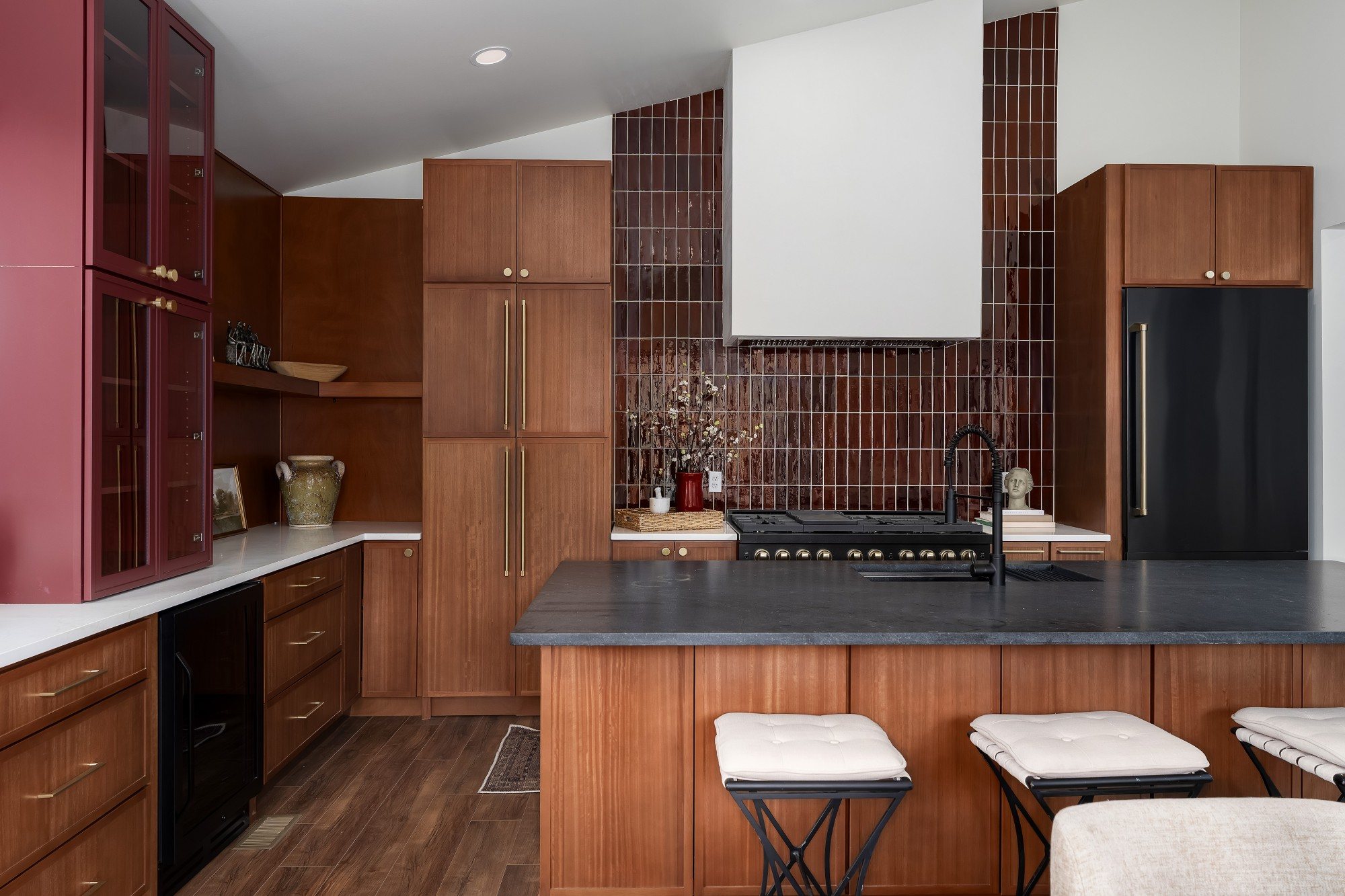
The finished home benefited from the ambition. It became more beautiful and more curated than we had originally anticipated. The show gained stories about the products, the people who made them, and the work of bringing them into a real build. Getting there asked more of us than we expected.
Something we can build on
Sweet Homes gave us practical experience with an idea we wanted Spry to pursue: develop original entertainment, establish where it can go, and bring in brands whose participation helps make the work possible. Then use the production thoughtfully enough that those partners have something valuable to put to work themselves.
We now understand more about what that requires. The creative idea needs to hold an audience’s interest. The production needs to serve several purposes without losing its focus. The budget has to account for how those purposes affect one another, and the people doing the work need a shared understanding of what they have taken on.
There is still plenty to learn as the show reaches viewers. Making the house and the series has given us something concrete to build on, and the experience is already informing the other ideas we are developing.
One of those is Roaming, which grows out of our interest in cars, travel, and exploring America. It also carries forward something we loved about The Spirit of Mango: spending time in a place and getting to know the people, food, and culture that make it worth visiting. We want to make more work around subjects we are curious enough to keep exploring.
Commercial production remains a substantial part of Spry. The experience of working with brands and agencies helps us see possibilities in these shows, and making the shows gives us more experience to bring back to that work.
At White Oak, we were sitting in a finished house, imagining everything it would take to make another one into a television series. We understood some of that work very well. Other parts became clear as we went.
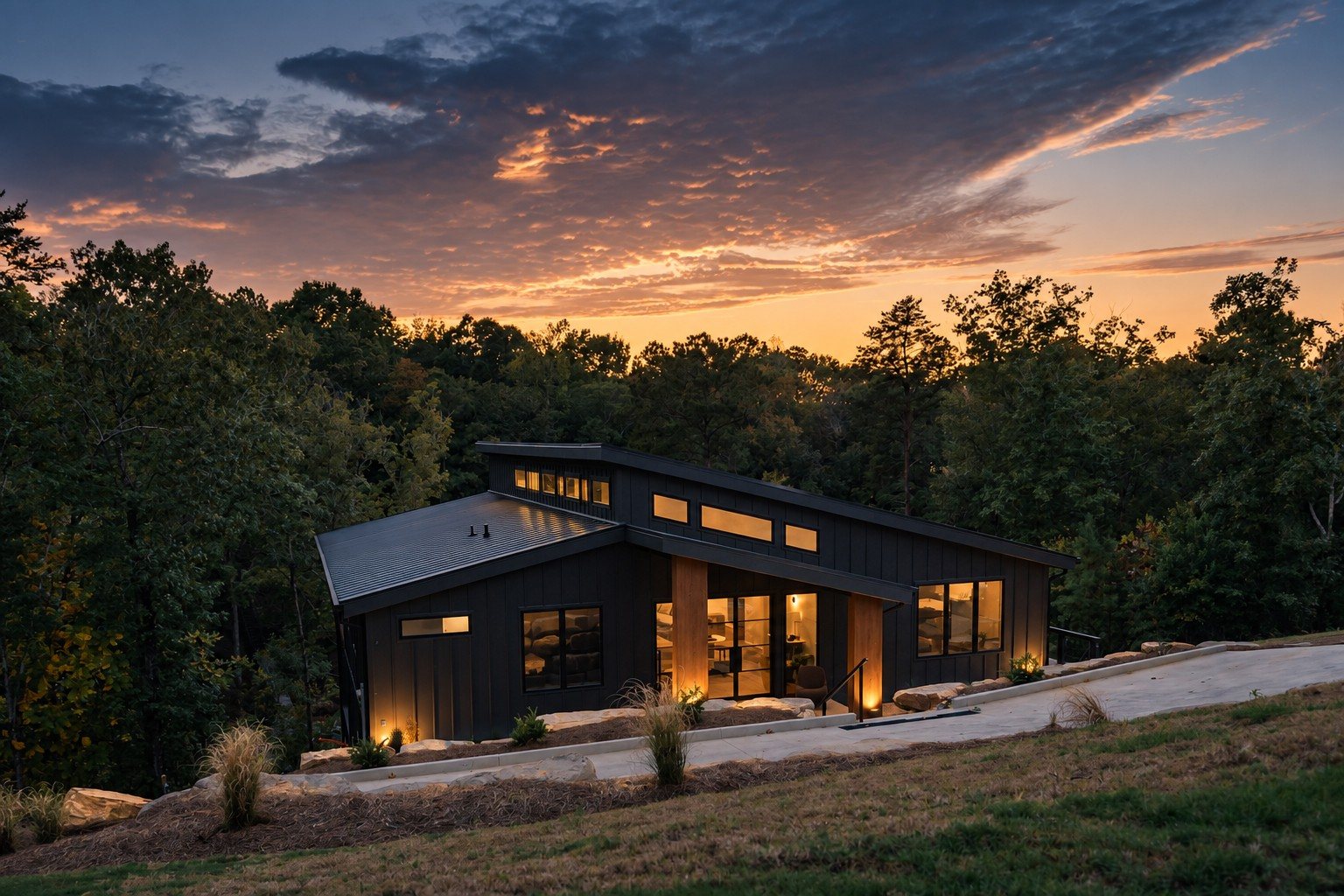
We have a house and a show now. We also have a better understanding of what we’re asking of each other when we say, “Let’s just do this.”


