
When I was younger, I had a pretty romantic idea of what it meant to be an artist.
Artists were independents. Outsiders. People who created because they had something to say, not because someone was paying them to say it. They made things for the sake of making things. Their work was an extension of who they were, and the moment money entered the conversation, something about that purity felt compromised.
At least, that’s how I saw it.
I was a young photographer, a writer, and eventually a filmmaker. I was drawn to the idea that creativity was one of the purest forms of human expression. That you could take something from inside your head, something that didn’t exist anywhere else in the world, and give it life.
There was something sacred about that.
And somewhere along the way, I’d convinced myself that making a living from it, particularly by making things for other people, meant giving some of that freedom away.
I thought being commercial meant selling out.
Turns out, I had a few things to learn.
The business of making things
One of the more surprising discoveries of my adult life is that I’m not just an artist.
I’m a businessperson, too.
And I actually like it.
I like building things. I like solving problems. I like understanding how businesses work, what makes people tick, and how a good idea can change the trajectory of something.
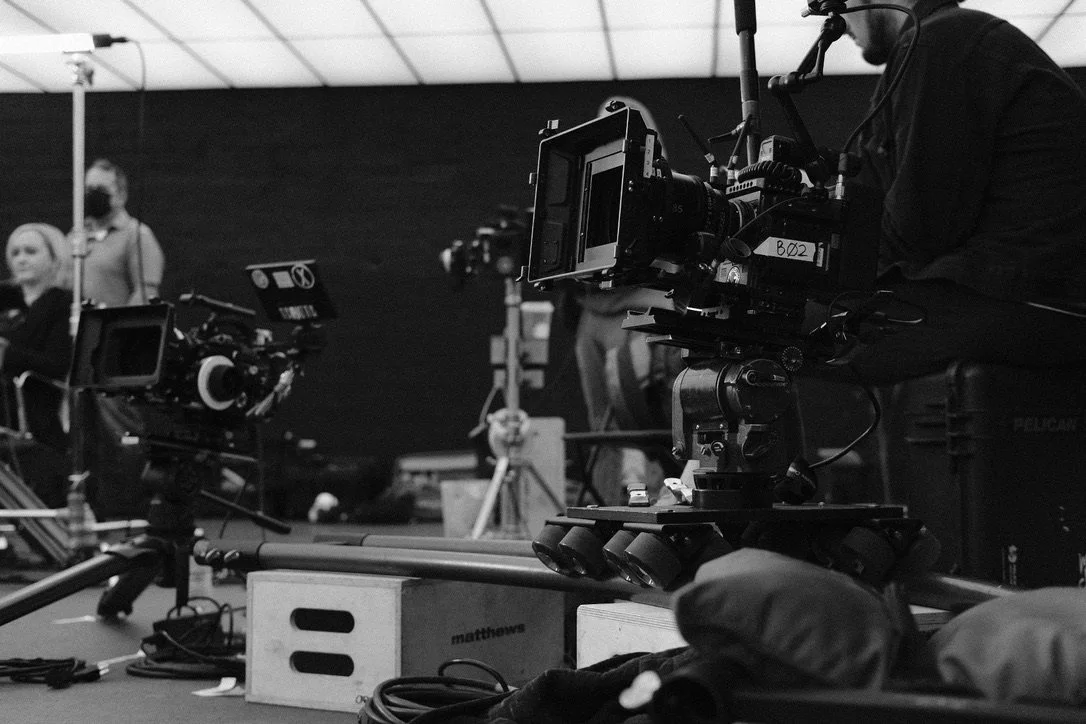
For a long time, I think I treated those instincts as separate from my creative identity. Like there was an artist on one side of my brain and an entrepreneur on the other, and I had to decide which one got to drive.
But the longer I’ve been doing this, the more I’ve realized they aren’t competing interests.
They’re complementary.
Making something beautiful and making something useful aren’t mutually exclusive. Neither are telling a great story and helping a business grow.
In fact, some of the most interesting creative challenges I’ve encountered have come from trying to accomplish both.
There’s a particular kind of satisfaction that comes from taking a business objective, something that might look pretty uninspiring on a spreadsheet, and finding the humanity inside it.
Finding the story.
Finding the thing that makes someone care.
That’s not necessarily a compromise of the creative process. Sometimes, it’s the very thing that makes the process interesting.
A different kind of freedom
When Derek and I began our partnership, I don’t think either of us had some grand vision of building a commercial production company.
We wanted to make things.
We wanted to tell stories, travel, collaborate with interesting people, and find a way to make a living doing work we believed in.
And over the years, that’s largely what we’ve done.
We’ve made films for brands. We’ve helped businesses tell their stories. We’ve worked with people who needed to sell something, explain something, celebrate something, or simply get someone to pay attention.
We’ve also made documentaries, developed television shows, chased passion projects, and spent plenty of time and money making things without knowing whether anyone would ever pay us for them.
And here’s what I’ve come to understand.
The commercial work didn’t take us away from the creative work. In many ways, it made the creative work possible.
It gave us the resources to experiment. The opportunity to develop our skills. The ability to invest in ideas that might not make financial sense on their own.
It also taught us discipline.
Deadlines are real. Budgets matter. Audiences have expectations. And sometimes the most creative thing you can do is figure out how to make something extraordinary within a very ordinary set of constraints.
There’s freedom in that, too.
Maybe not the kind of freedom I imagined when I was twenty years old, but a freedom I’ve come to appreciate just as much.
The freedom to keep making things.

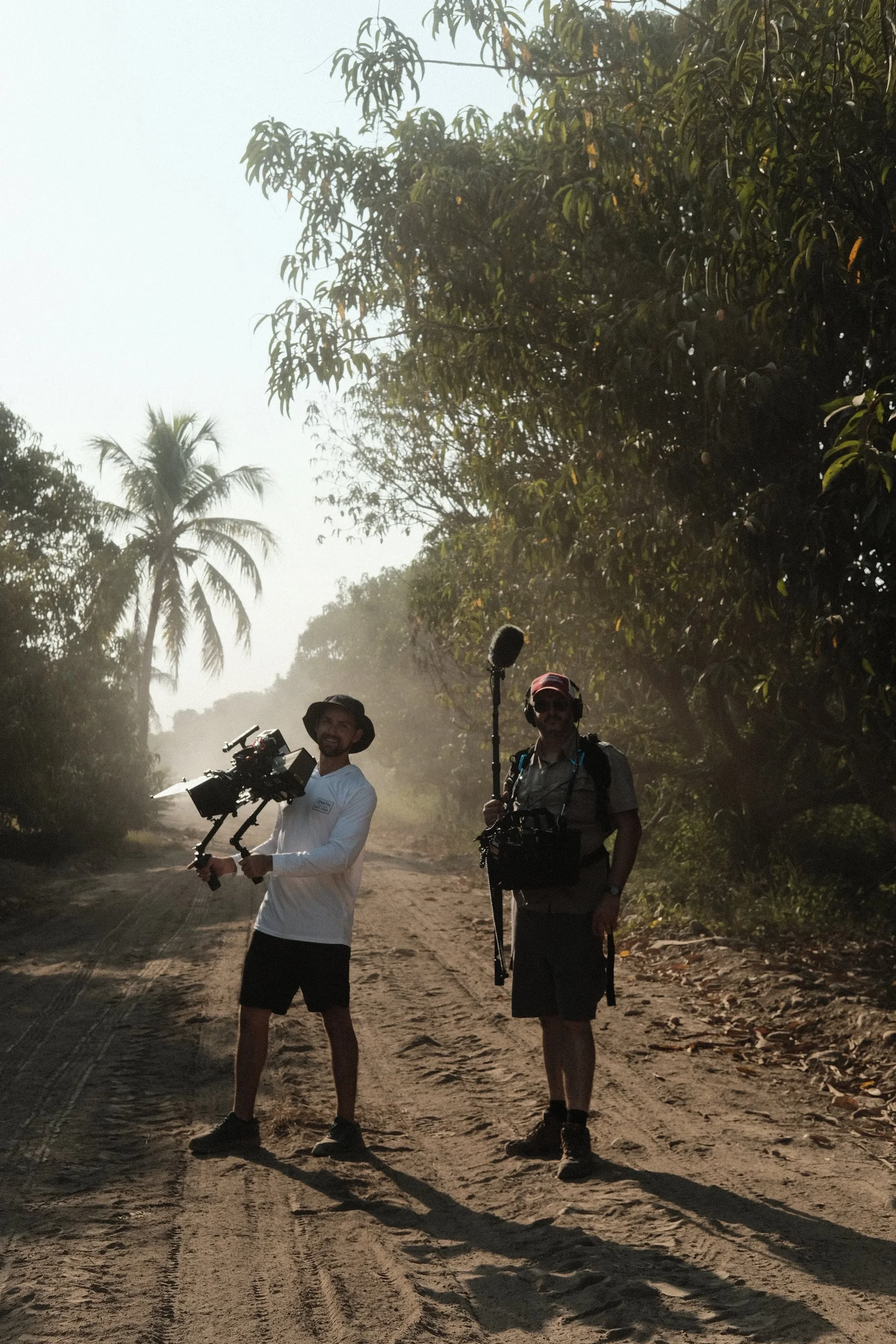
Good work. Good people. Real stories.
Of course, there’s a line.
There has to be.
I still believe creative integrity matters. I still believe that what we put into the world says something about who we are.
And I don’t think every opportunity is a good opportunity just because someone is willing to write a check.
But I’ve stopped believing that the presence of a check somehow makes the work less meaningful.
Instead, we’ve tried to build Spry around a pretty simple idea.
Do good work with good people. Tell real and true stories.
That’s it.
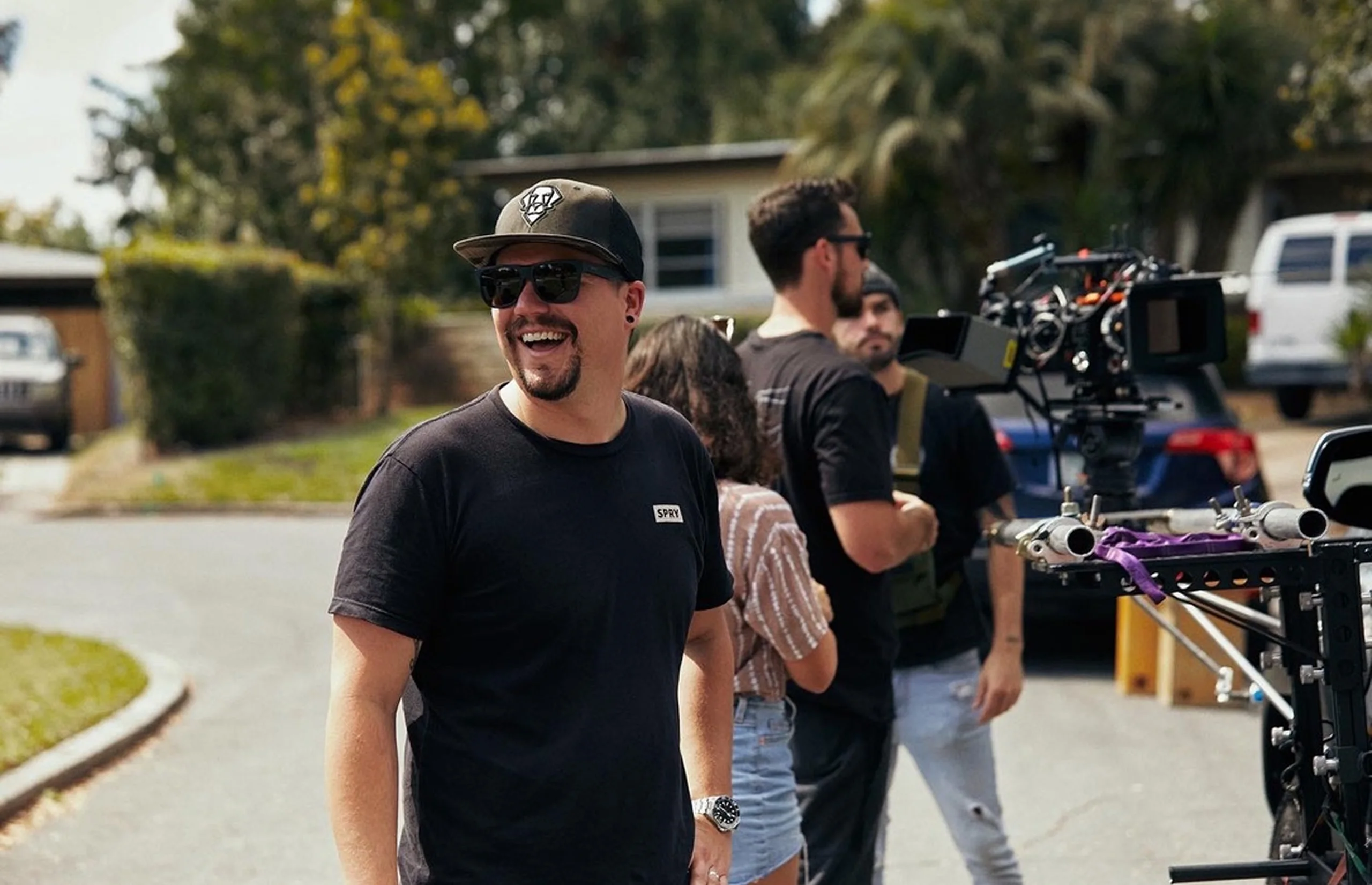
Whether we’re making a commercial film for a brand or developing an original documentary, the approach doesn’t fundamentally change.
We want to find something honest. Something human. Something worth paying attention to.
Sometimes that story helps a company grow.
Sometimes it makes someone laugh.
Sometimes it challenges the way people see the world.
And sometimes, if we’re lucky, it does all three.
I don’t think the value of creative work should be measured exclusively by its commercial success. But I also don’t think commercial success somehow diminishes its value.
Those two things can coexist.
They should coexist.
Still making things
I think about that younger version of myself sometimes.
The kid who believed that being a real artist meant answering to no one. Who saw commerce as the enemy of creativity and independence as the ultimate measure of artistic success.
I still admire that kid.
I admire his conviction. His curiosity. His belief that making things mattered.
I wouldn’t want to take any of that away from him.
But I would tell him that the world is a little more complicated, and a lot more interesting, than he thinks.
That there’s no shame in making a living from your gifts.
That helping someone else accomplish something meaningful can be just as fulfilling as chasing an idea of your own.
That being an artist and being an entrepreneur don’t have to be opposing identities.
And that sometimes the most important thing you can do for your creative independence is build something that allows you to sustain it.
I’m still figuring all of this out.
Spry is still an experiment, in a lot of ways. We’re still chasing ideas, still trying new things, still learning what kind of company we want to be.
But after all these years, one thing has become pretty clear.
Selling your work and selling out are two very different things.
And if you can find a way to make a living doing work you believe in, with people you respect, while still finding room to create for the simple joy of creating?
Well, that sounds like a pretty good deal to me.


