
The first Spry office was a small corner of someone else’s office in downtown Orlando. For about $200 a month, we had an address on Orange Avenue, access to a conference room, and permission to put our logo on the lobby television when a client came to visit.
We felt on top of the world.
Chris Kruse and I started Spry in 2011 as a two-person web design and development business. The independent studio and production company it became took years to find. Getting there meant growing a team, discovering the limits of the business we’d built, and making some decisions I still count among the hardest of my life. It also meant finding people who wanted to make the same kind of work I did.
There was always work to keep us going. Figuring out what we wanted to keep going toward took longer.
An unexpected start
I began working as a designer just out of high school. I stumbled into graphic design, then into the print industry, where I spent years doing a little of everything. During the financial crisis, the company I worked for struggled. They held on to me as long as they could, then let me go with a severance.
Going back to school seemed like a reasonable way to figure out what came next while the economy sorted itself out. I enrolled in Digital Arts and Design at Full Sail. The program introduced me to different kinds of digital media, but it also got me to Orlando, put me around new people, and helped me think bigger.
I gravitated toward web design. There was demand for it, I liked the work, and I had student loans coming. A few months before graduation, I found a job as an interactive designer at Brushfire Digital, a political marketing firm.
That’s where I met Chris. He was a freelance developer working remotely for the company. I’d design a website and hand the files to him, then we’d work through how it should function, often over Skype. We worked well together. Eventually, he suggested we start something of our own: a designer and a developer offering the whole job.
I liked the idea. I was also young, in debt, and nervous about starting a business.
About a week later, Brushfire told me they couldn’t afford to keep me. They offered me design projects they’d already sold but could no longer fulfill, along with contacts and opportunities to keep working. It was a generous way to handle a difficult situation.
Being let go twice was discouraging. But Chris and I now had a reason to start, and enough work to give it a try. I told him it was time to jump.
Making it look like a business
For the first several months, political marketing projects and Chris’s development work for other agencies paid the bills. Our borrowed office gave us somewhere to meet people. We were figuring out everything else as we went.
We’d arrive at six or seven in the morning and spend the day on calls, in meetings, and trying to bring in work. Around four in the afternoon, we’d start designing and developing the projects we’d sold. Sometimes we’d leave at eight or nine. Sometimes it was midnight or later. Clients still needed us the next morning.
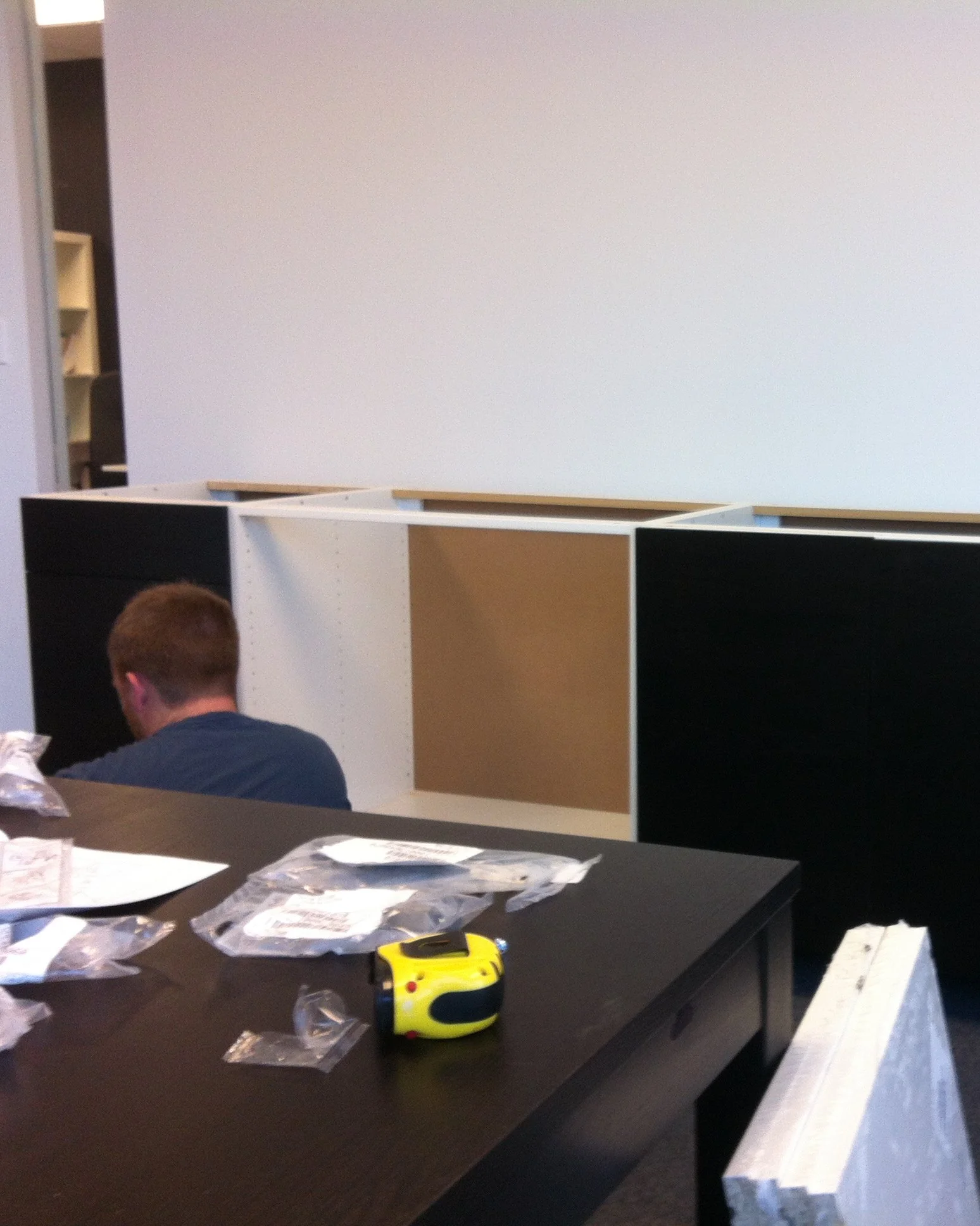
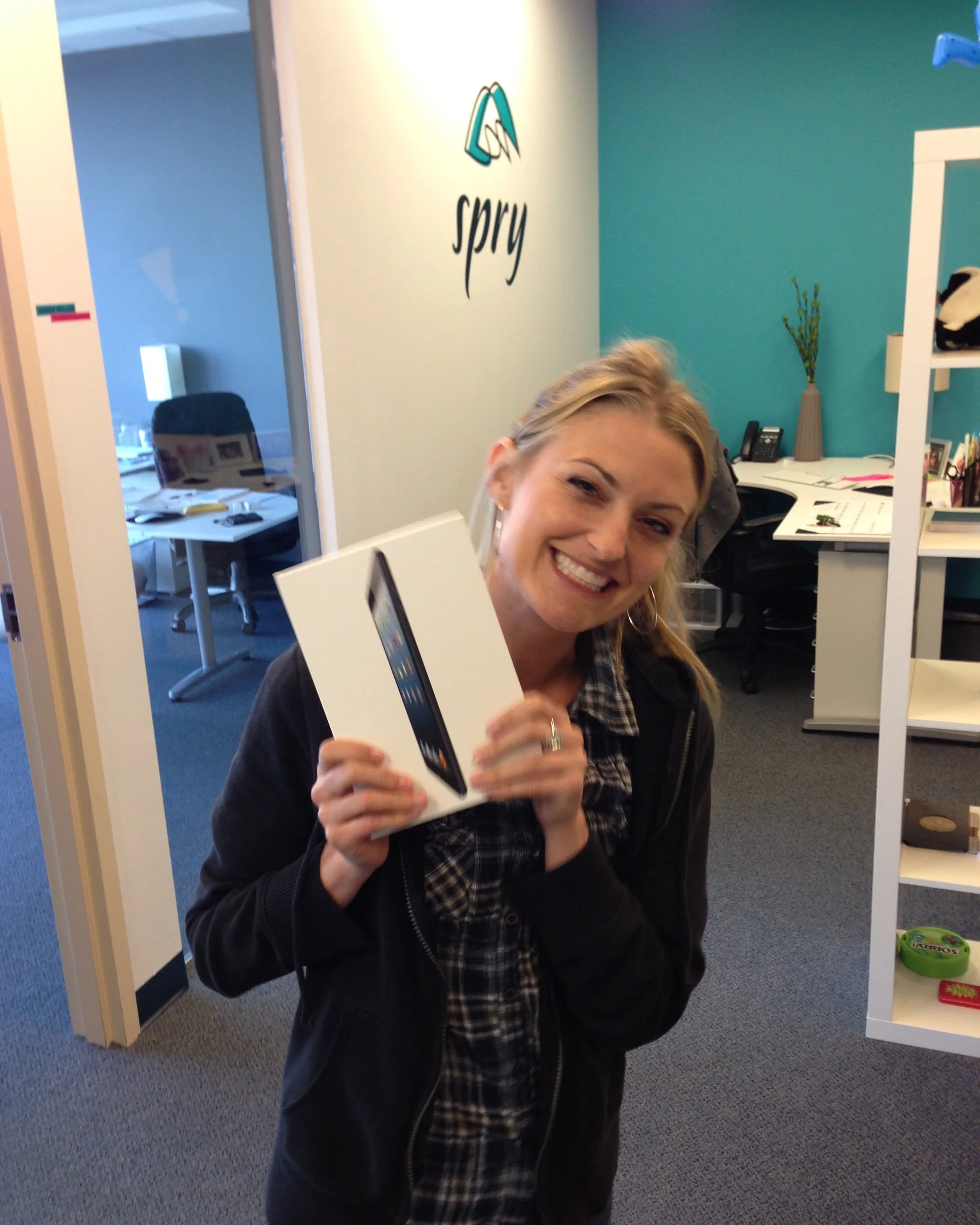
Eventually, we found a small office of our own. We painted it ourselves, bought desks at IKEA, and put our logo on the wall. Our first employee was Matt Gallant, a talented developer just out of UCF. Soon afterward, Alison Grant, a friend from high school who wanted to move out of teaching, joined us too.
We were a scrappy group building websites for anyone who would give us a chance. We made some apps. We met people, built relationships, and gradually moved beyond political work. More designers and developers joined, along with a project manager. We moved into a larger space.
I remember walking in and seeing phones ringing, meetings happening, people working in the conference room. There was a whole team around us. I’d look at it all and wonder how we’d gotten there from two guys who wanted to make something more.
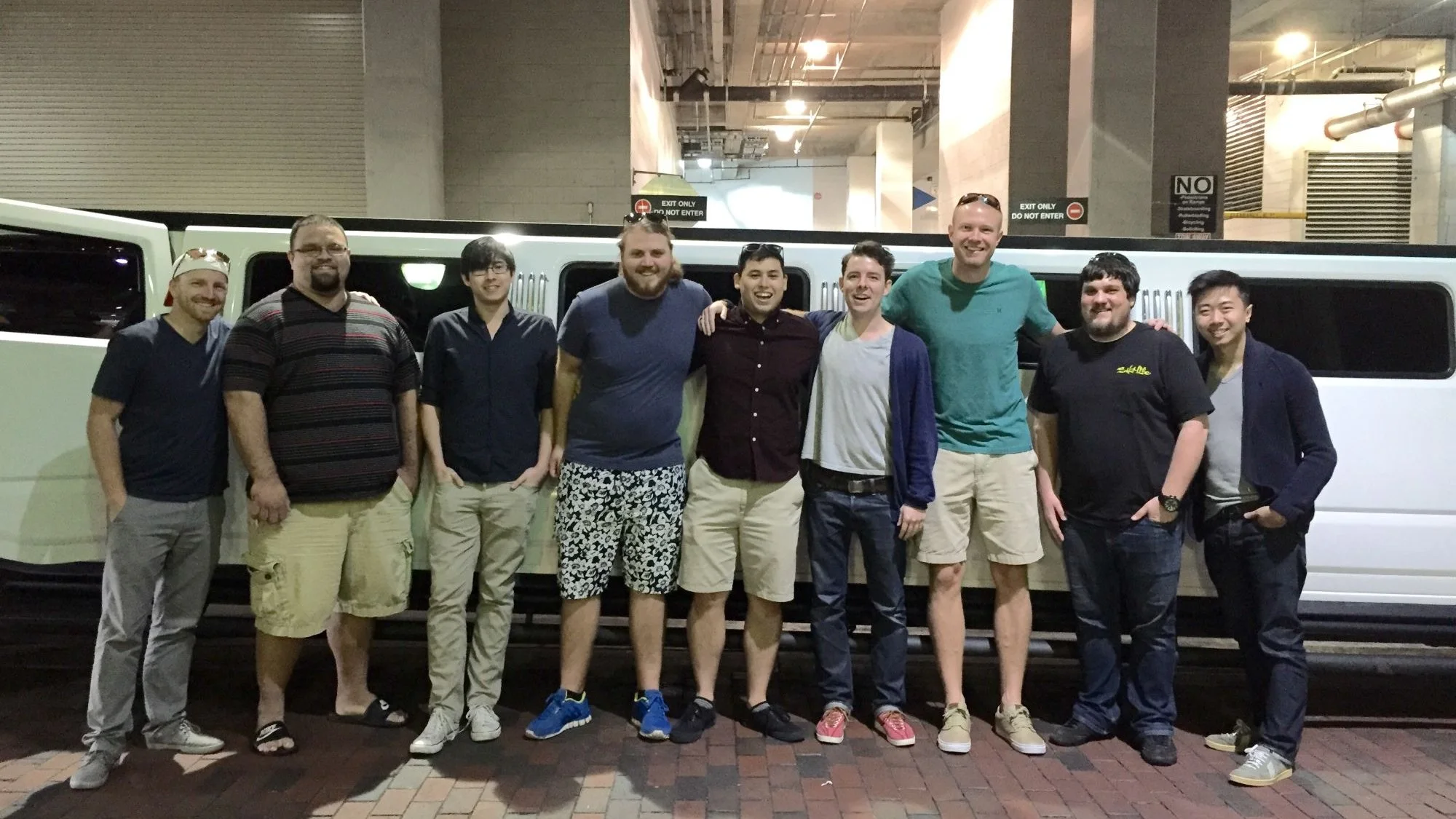
The business was becoming harder to manage, though. We were selling custom creative work in a competitive market and struggling to charge enough to properly support the team. As template services like Squarespace improved, we pursued larger, more complicated projects. We also took on software work that stretched us beyond what we were equipped to handle.
Chris carried an enormous technical workload alongside the responsibilities of ownership. He was burned out. Eventually, he told me he wanted to leave.
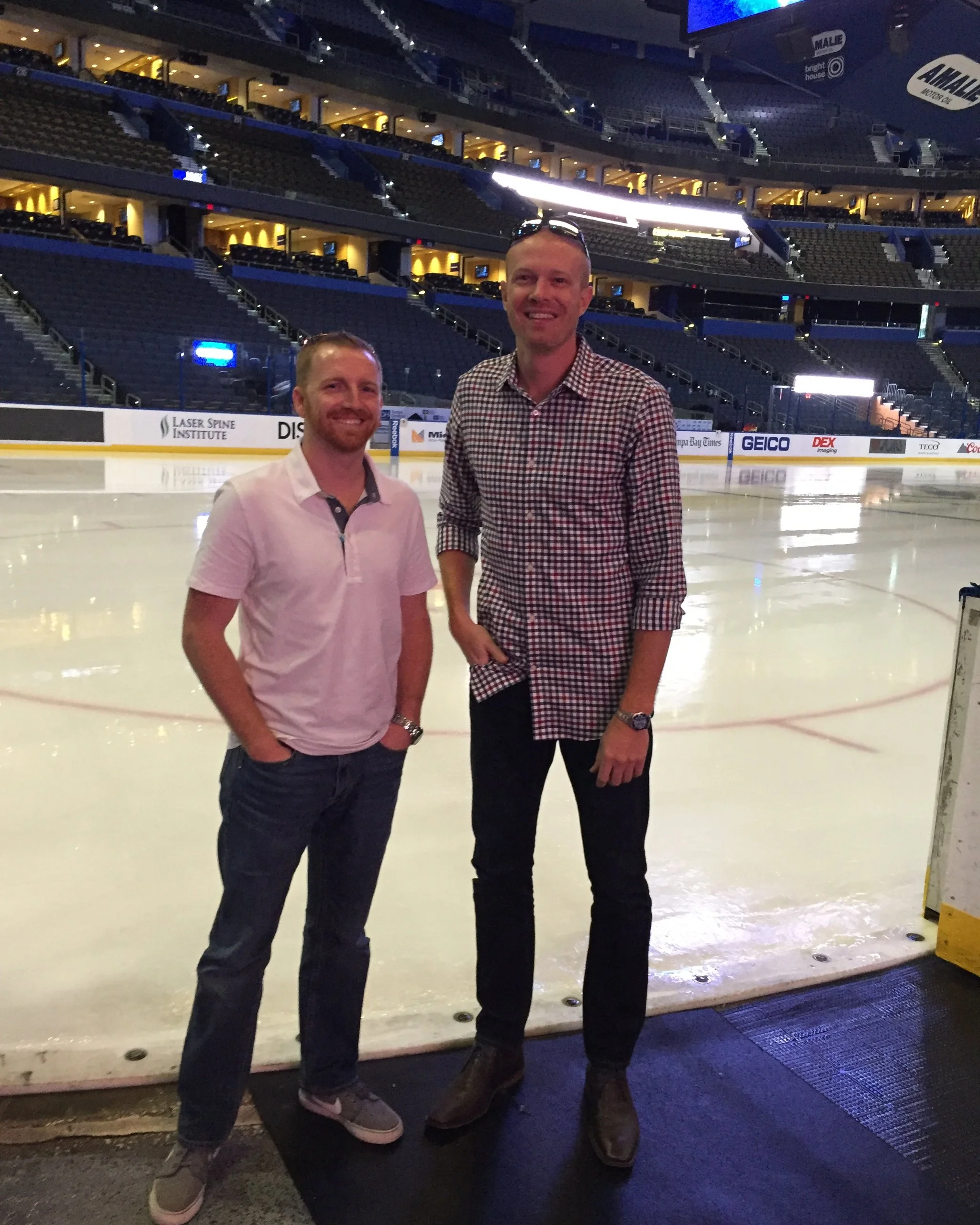
We worked out a way for him to move on while I kept Spry, the office, and the team. We’d built something together, and finding a way through that separation was difficult. Once we did, I had to decide what kind of company I could lead from there.
Learning to be a production company
I’d found my way into web design and built a career around it. Filmmaking and storytelling were interests I’d wanted to pursue for a long time. With Spry’s future now an open question, that was the direction I wanted to take.
Changing the company meant changing the work we took on and the team we needed. We reduced staff, including letting go of people whose roles no longer fit the business we were becoming. Those were some of the hardest decisions of my life. The excitement of a new direction existed alongside the consequences for people who had helped us get there.
Josh Hemingway became a huge part of that transition. He brought a background in film production and an understanding of work I’d admired but never formally studied. He was hungry to build something. I recognized the energy Chris and I had shared in the beginning.
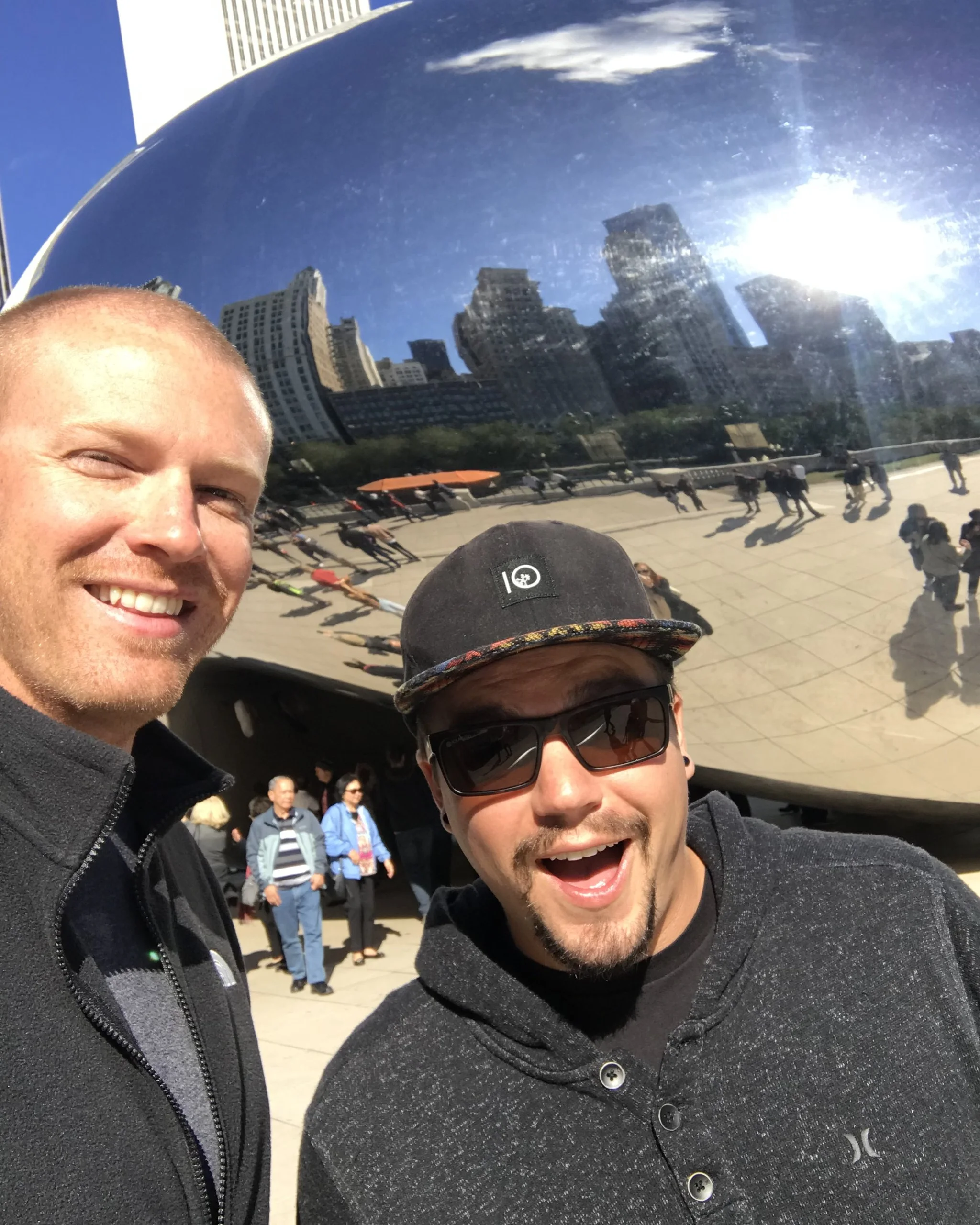
Josh and I worked out a partnership and began building Spry around production. We kept some interactive work while we found our footing. Just as political projects had supported the first version of Spry, those relationships gave us room to pursue a different kind of work.
We got scrappy again. We chased production opportunities, tried to tell every story we could, and worked to earn the next project.
There were jobs that made the change feel real. Kennedy Space Center was one of the first large film productions we took on. Later came a national marketing campaign for Ruth’s Chris, production work for SeaWorld and Busch Gardens, and adventure stories with SMITH Optics that got us outdoors and on the water. Baker Tilly, which had been an interactive client through much of Spry’s history, began working with us on film, video, and photography.
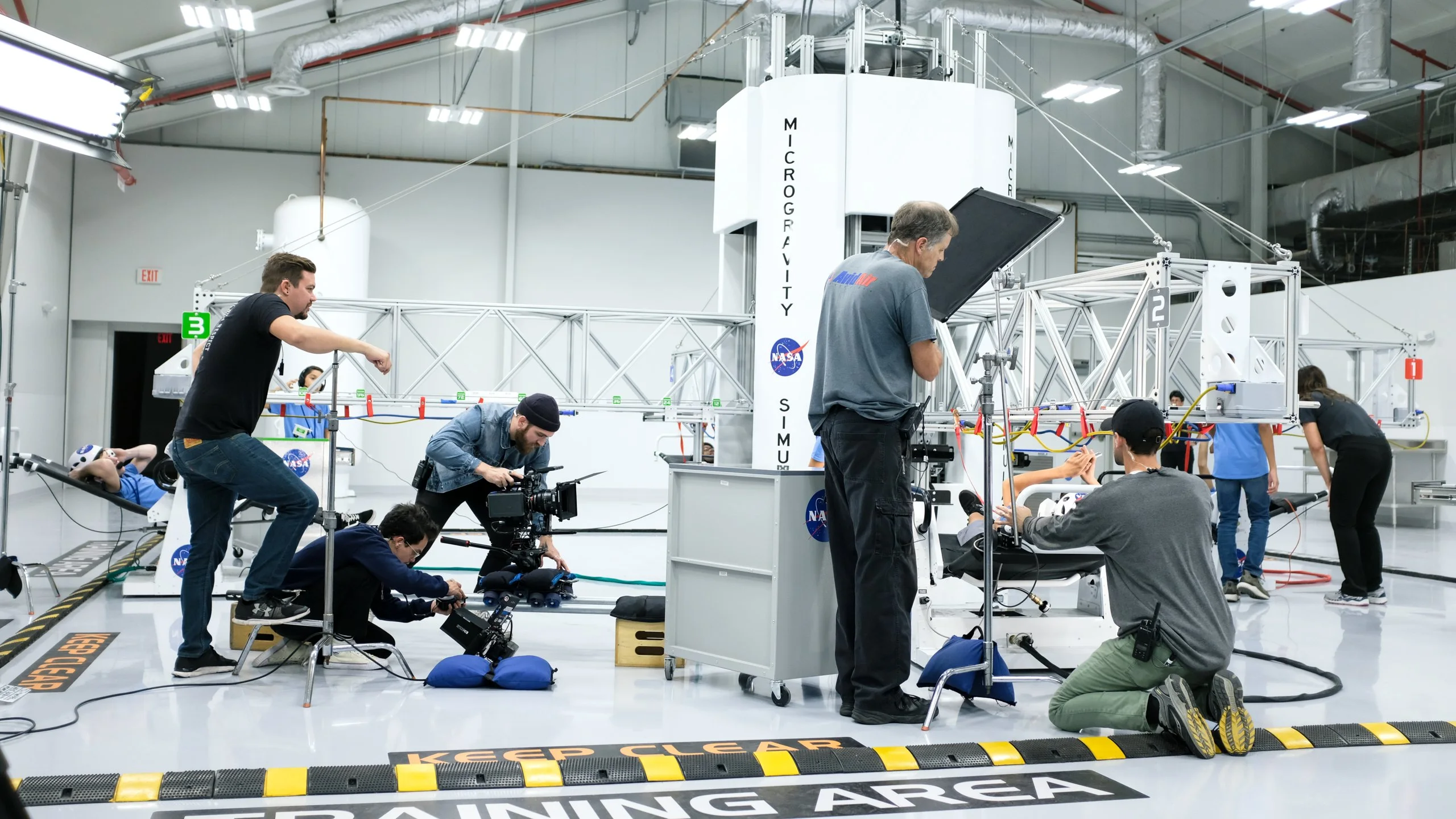
We were finally doing the kind of work we’d dreamed about. Then an email arrived that sounded almost too good to be real.
Someone wanted to make a cultural and culinary film, traveling through Central and South America to follow the story of the mango. It was so close to the kind of project we’d hoped for that we wondered whether a friend was playing a joke on us.
The email was real. We met with the National Mango Board about a project called Origin Stories. Within about two weeks, we were in Puerto Rico shooting the pilot.
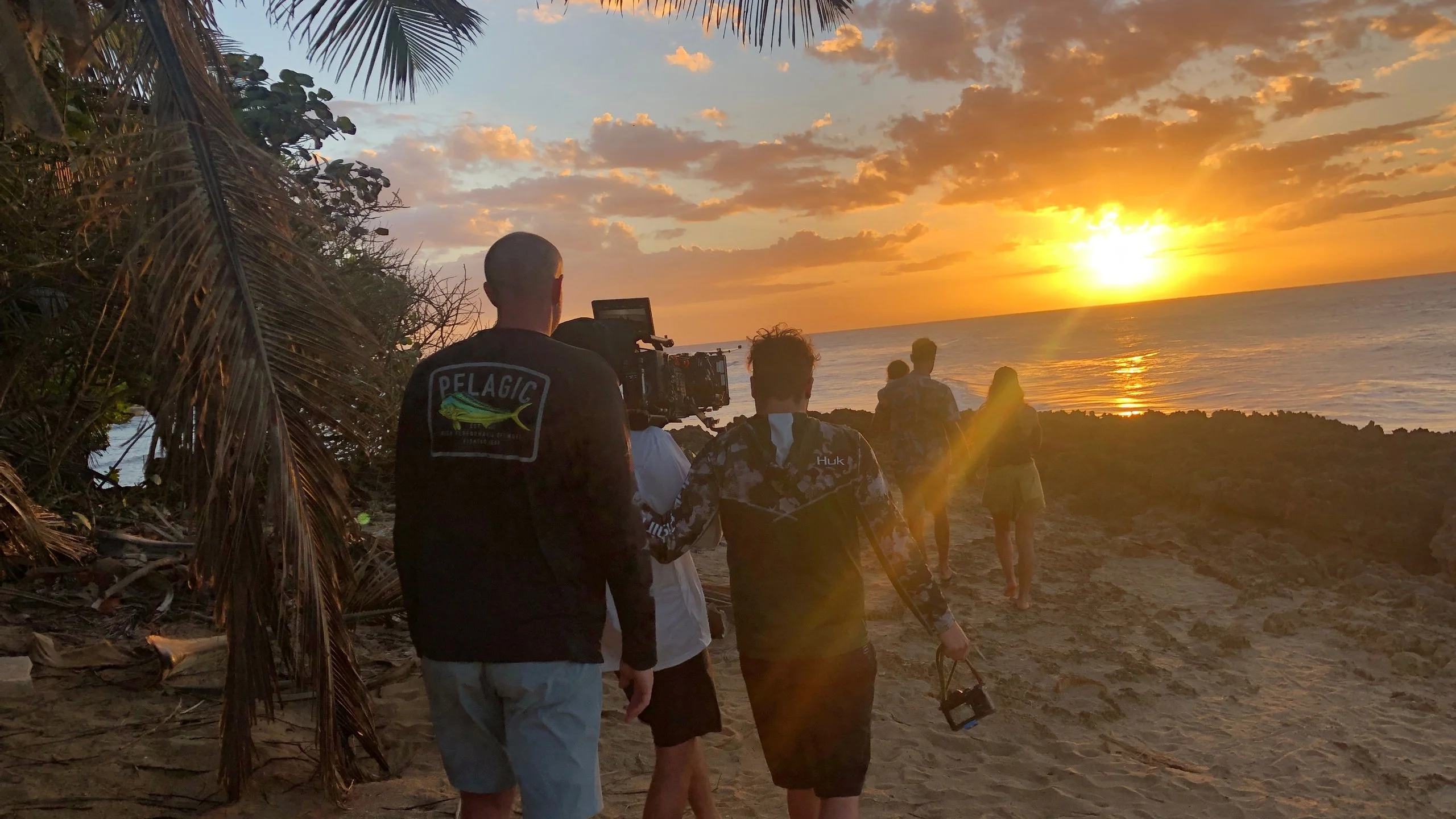
That project became one of the most creatively fulfilling experiences of our careers. It helped set the direction for Spry: following real stories, making room for discovery, and sharing what we found.
Making shows of our own
The films we began as Origin Stories were later reshaped into the eight-episode series The Spirit of Mango. A project that started with an email had grown into a show, carrying those stories to a television audience.
Today, Spry develops and produces original shows and makes series with brands and creators. That work includes figuring out how a project can be funded, which partners belong in it, and where it could reach an audience. We bring distribution into development, working with partners to explore television and streaming opportunities while a show is taking shape.
Commercial and agency production are a substantial part of that work. Sometimes we develop the idea with a brand; sometimes an agency brings a board and needs a team to make it. The crew behind our shows also makes those projects, from planning the shoot through the edit. Orlando is still home, with much of our team in Los Angeles and productions taking us across the country and abroad.
Baker Tilly is one example of how those relationships have grown with us. Work that began in our interactive years has extended into photography campaigns and films, including one with Jimmy Chin in Wyoming. The forms have changed, but there is still a business with something it needs to communicate, and people whose stories can make that meaningful.
Sweet Homes brings that work into our own lives. Josh and I are two of the four friends building a house on Smith Lake, Alabama, with a series following the build. Spry produced it, bringing brand partners into the house and the story. We were making a place and a show at the same time.
That is the studio we’ve arrived at: making work for others, developing ideas of our own, and thinking about how each story will find its audience.
Looking back, I can see how much of the company was built through relationships that carried us from one kind of work into another. Chris and I started with projects someone trusted us to finish. Early employees helped us become an agency. Josh brought the experience and drive to help build a production company. Clients gave us opportunities to try something different together.
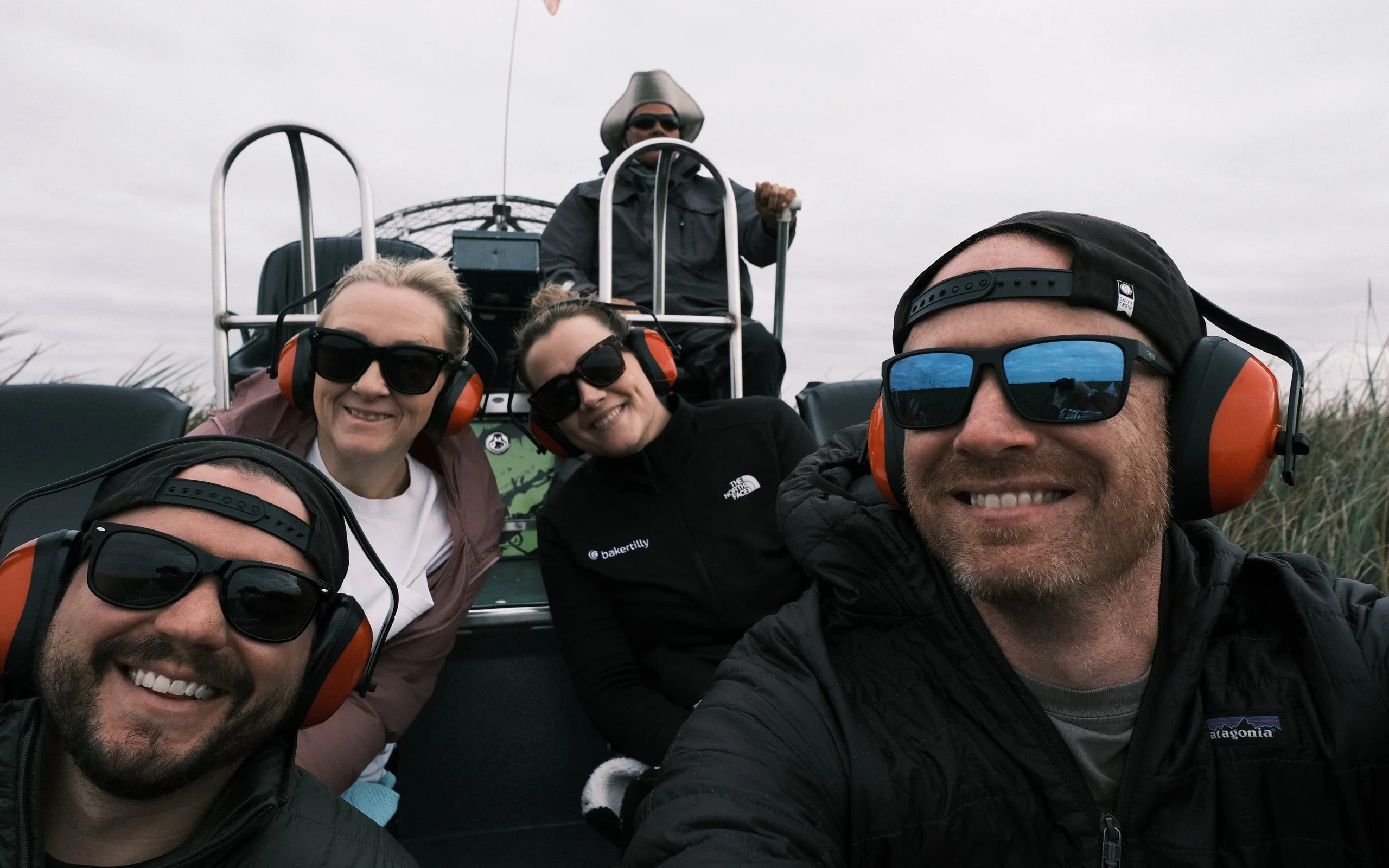
There were long nights, lucky breaks, and plenty of moments when we simply had to figure out how to make things work. What we’ve built today is something we love and are excited to wake up and do. After all the changes, I can still say that about my career.
If you’re curious about where that road has taken us, spend some time with the work. That’s where the story continues.


